
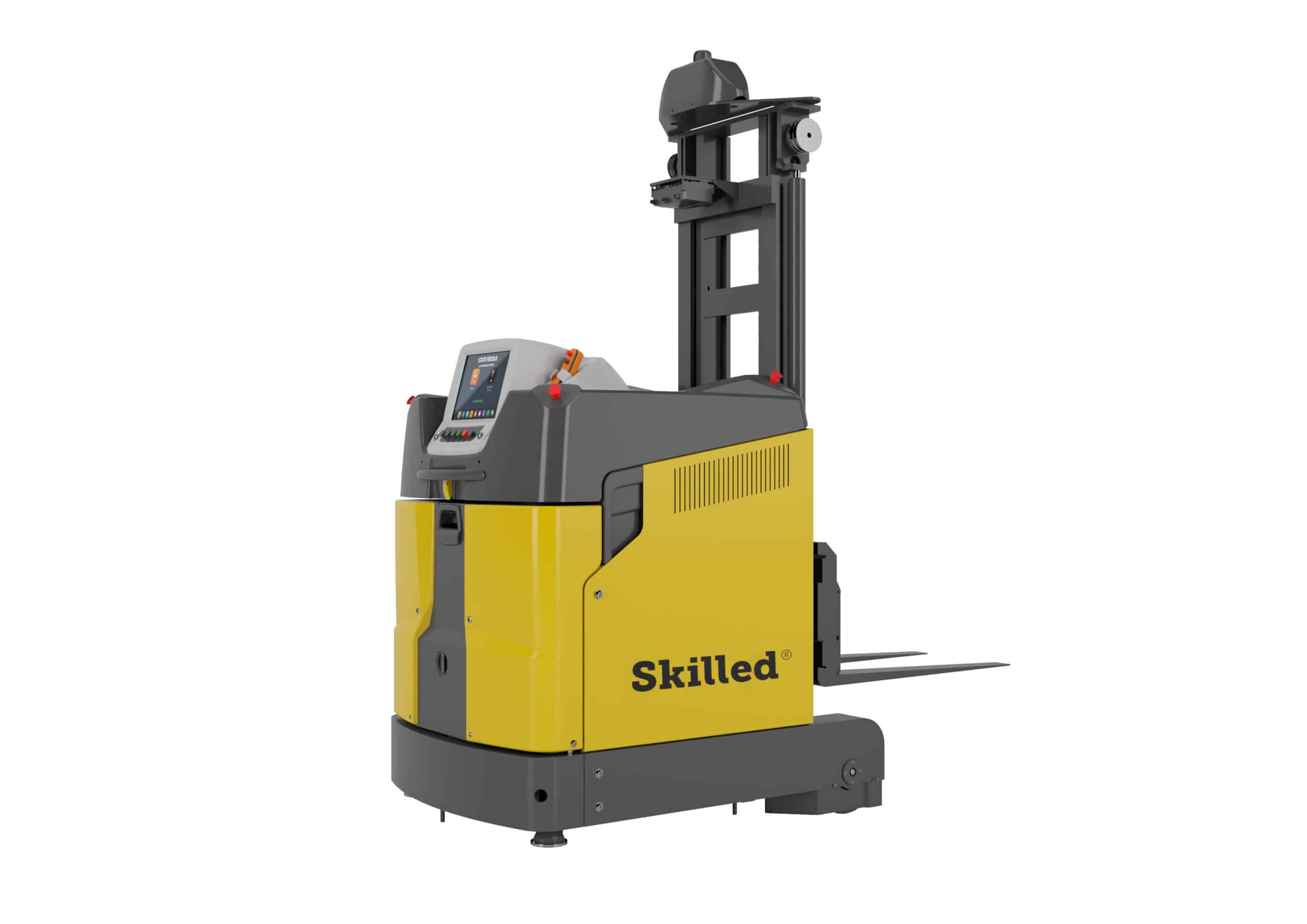
Automated Guided Vehicles for Warehousing, Manufacturing and Materials Handling
Automated Guided Vehicles (AGVs) provide a reliable way to automate the movement of pallets, products and materials throughout warehouses, production facilities and distribution environments.
By replacing repetitive manual transport tasks with automated materials handling, AGVs can help businesses improve productivity, increase operational consistency and create safer, more efficient workflows.
E&B supplies advanced Automated Guided Vehicle solutions for a wide range of industrial and warehouse applications. From moving pallets between production and storage areas through to automated truck loading, we work closely with customers to develop systems around their facilities, products and operational requirements.
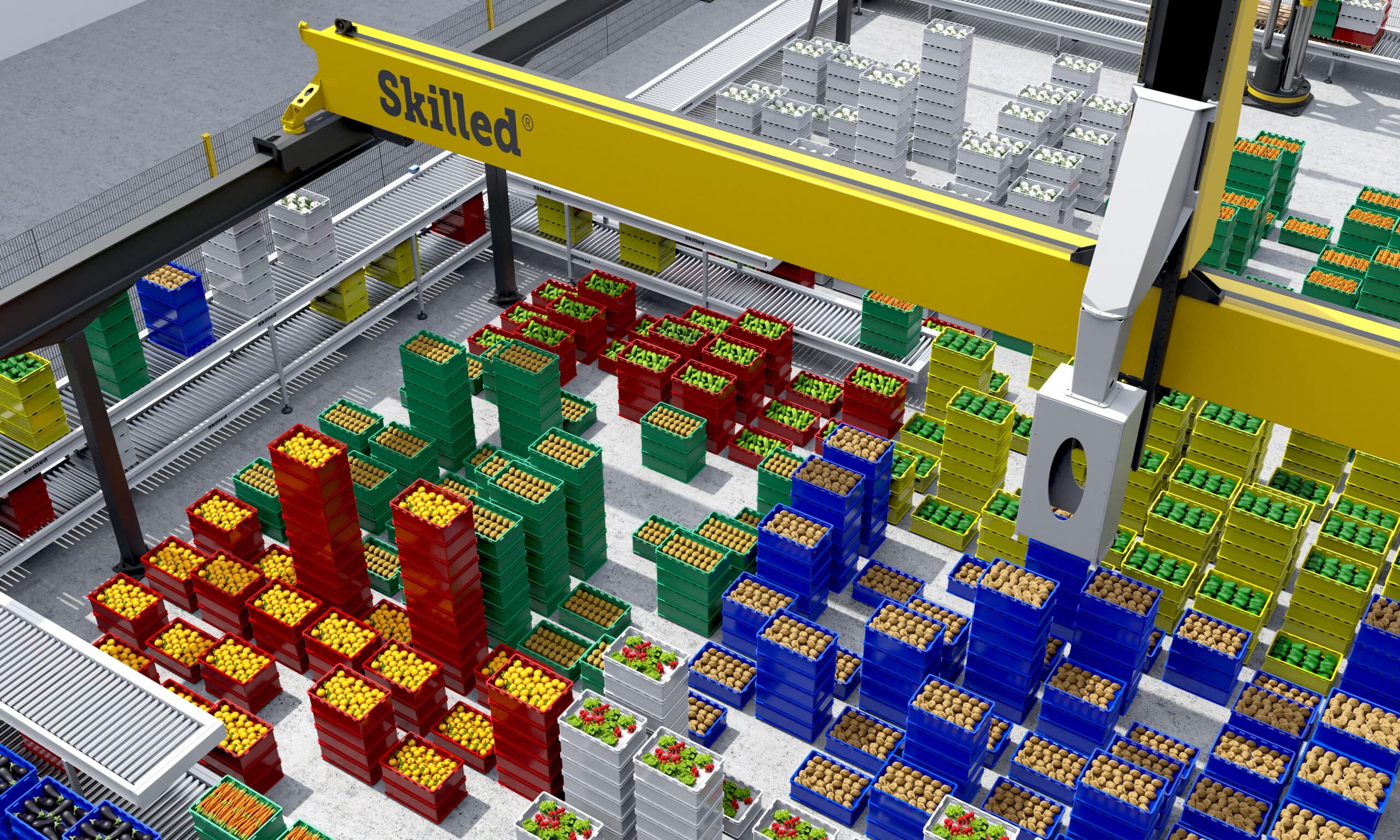
What is an Automated Guided Vehicle?
An Automated Guided Vehicle, commonly known as an AGV, is a driverless materials handling vehicle designed to move products or materials automatically between predetermined locations.
AGVs can perform many of the repetitive transport tasks traditionally carried out by manually operated forklift trucks.
Depending on the application, they can move:
- Pallets
- Raw materials
- Components
- Finished products
- Packaging materials
- Production supplies
- Heavy or bulky loads
AGVs can receive instructions directly from warehouse management systems or other software and hardware interfaces, allowing materials movement to become an integrated part of the wider automated operation.
How Do Automated Guided Vehicles Work?
AGVs use controlled navigation systems to travel safely and accurately around a warehouse or production facility.
Routes and tasks can be configured around the requirements of the operation, enabling vehicles to collect loads from designated positions and automatically transport them to their required destination.
Depending on the system, this might involve moving materials:
From goods-in to storage
Between warehouse locations
From storage to production
Between different production processes
From production to finished goods storage
From storage to dispatch
Directly into trucks and trailers
Precise control of navigation, acceleration and deceleration also helps reduce the risk of damage to products and materials during transportation.
Our Products
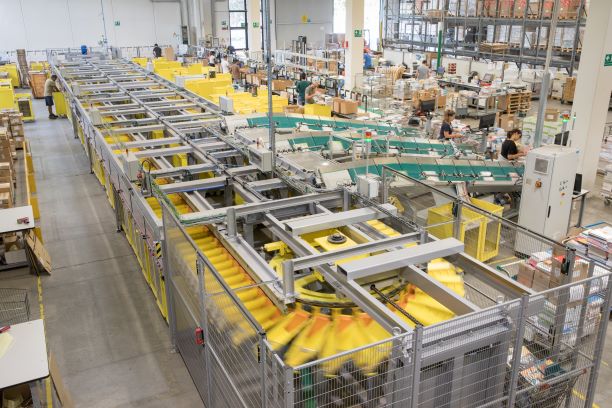
Drop Pocket Sorter
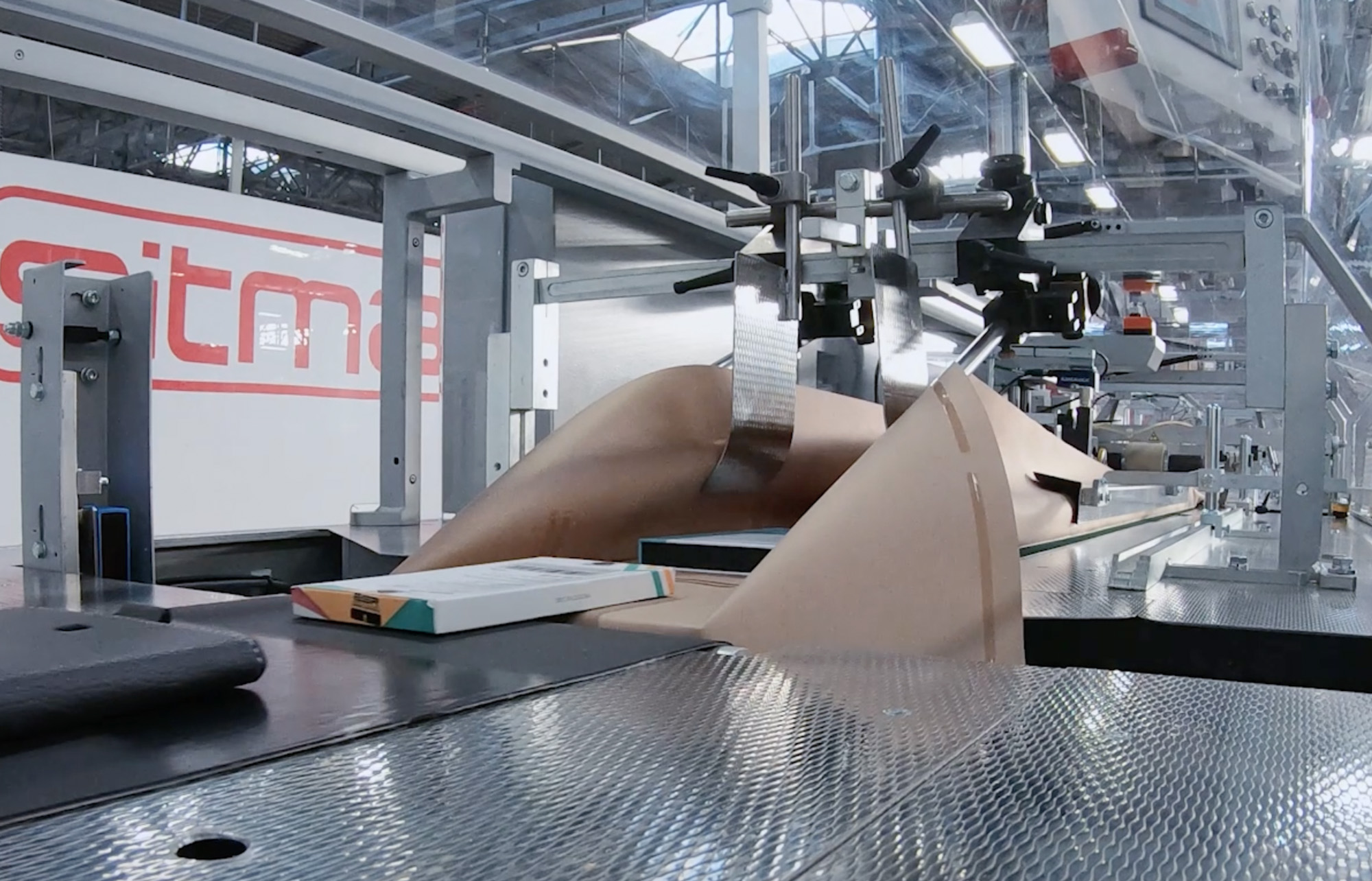
E-Wrap & Fast Pack
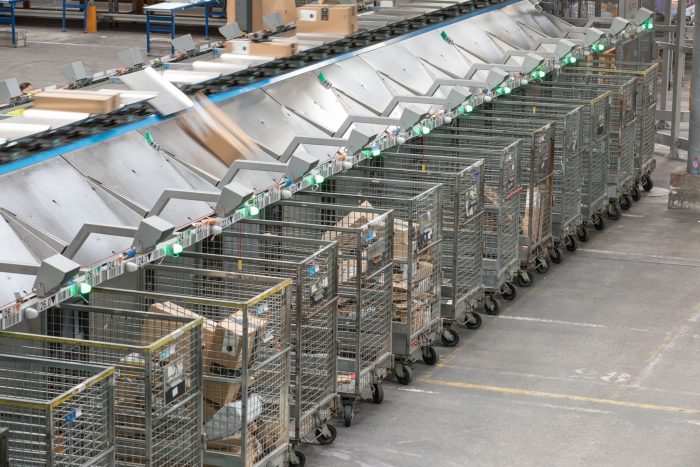
Tilt Trays & Sorters
Why Invest in Automated Guided Vehicles?
AGVs can transform repetitive internal transport operations into a more efficient and controlled automated process.
Improve Materials Handling Efficiency
Automating repetitive transport tasks reduces dependence on manual forklift movements and allows materials to move consistently between key areas of a facility.
Support 24/7 Operations
Automated Guided Vehicles can operate around the clock, making them particularly valuable within high-throughput manufacturing and warehouse environments.
This can help maintain consistent materials movement across multiple shifts and during periods of high demand.
Improve Workplace Safety
AGVs operate using controlled navigation, acceleration and deceleration.
Automating repetitive vehicle movements can help create a more controlled materials handling environment, particularly in busy production and warehouse areas.
Reduce Product Damage
Controlled acceleration, deceleration and load handling help minimise sudden movements during transportation.
This can reduce the potential for damage to pallets, products and materials.
Create Scalable Automation
AGV systems can be designed around current operational requirements while providing opportunities to expand automation as production volumes or warehouse requirements change.
Where Can Automated Guided Vehicles Be Used?
AGVs can support materials movement throughout manufacturing, warehousing and distribution operations.
Warehouses
Move pallets and products between storage, picking, consolidation and dispatch areas.
Manufacturing Facilities
Deliver raw materials and components to production while automatically transporting finished products away from manufacturing areas.
Distribution Centres
Automate repetitive pallet movements between storage, order preparation and dispatch.
Production Areas
Move materials between individual manufacturing processes without relying on continuous manual forklift movements.
Loading & Dispatch
Automated truck loading systems can transport pallets directly into trailers, helping automate one of the final stages of the warehouse process.
Our Automated Guided Vehicle Solutions
E&B supplies a range of Automated Guided Vehicle technologies designed around different materials handling requirements.
Laser Guided Vehicles (LGVs)
Laser Guided Vehicles use laser-based navigation to move accurately through warehouses and production environments.
LGVs can be used for automated pallet handling, warehouse movements and production logistics where reliable and repeatable navigation is required.
Rail Guided Vehicles (RGVs)
Rail Guided Vehicles operate along a fixed rail system and are particularly suited to applications requiring frequent, high-speed movement between predetermined locations.
They can provide an efficient solution for repetitive materials handling within manufacturing and warehouse environments.
Automatic Truck Loading (ATL)
Automatic Truck Loading systems extend materials handling automation into the loading process.
Pallets can be transported from the warehouse or production environment directly into trucks or trailers, helping reduce manual handling and improve dispatch efficiency.
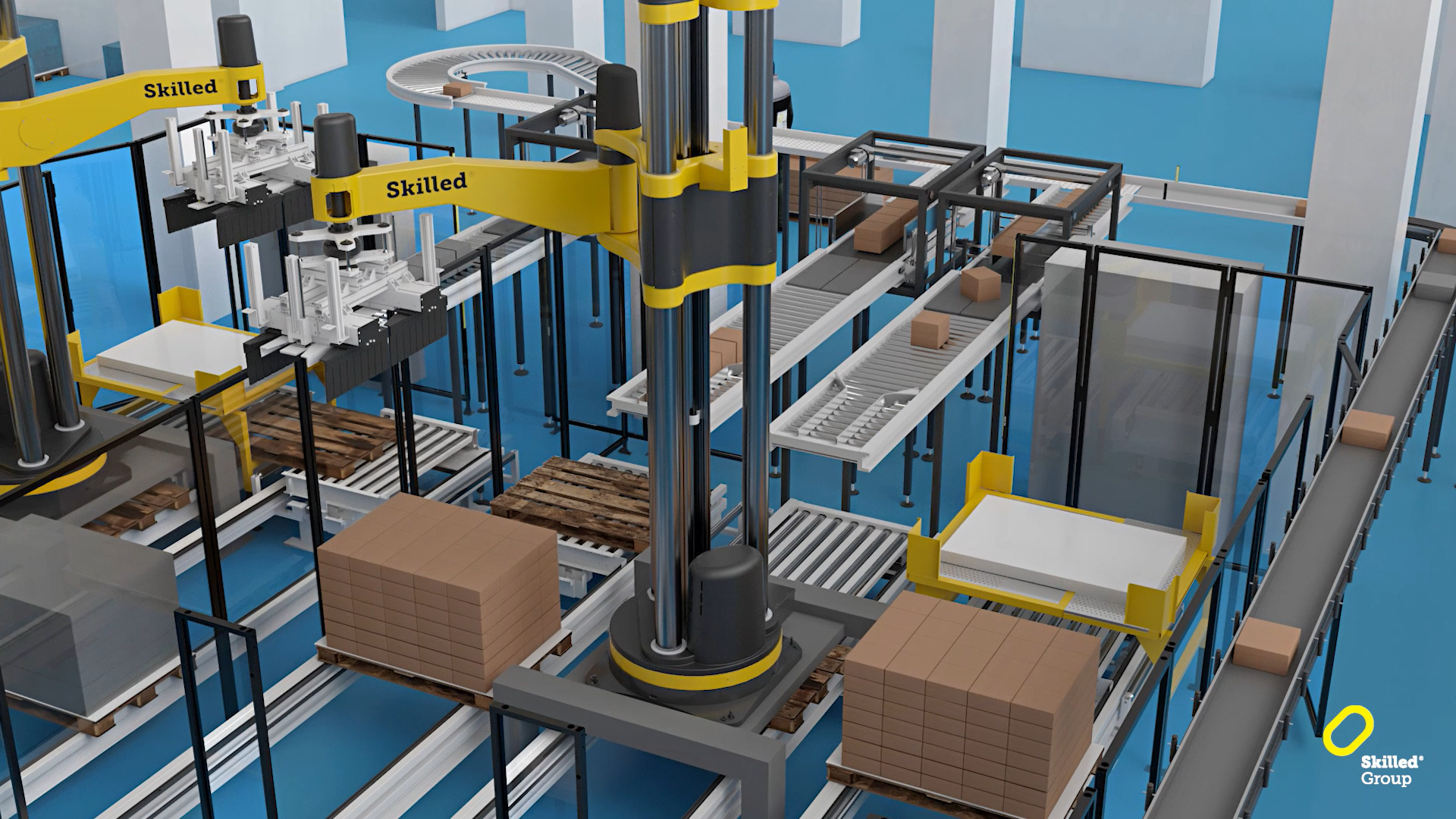
AGVs and Warehouse Management Systems
One of the major advantages of modern Automated Guided Vehicle systems is their ability to operate as part of a wider automated warehouse.
AGVs can receive transport orders from warehouse management systems and other software or hardware interfaces, allowing materials movements to respond automatically to operational requirements.
This can help businesses create a connected workflow between:
- Goods-in
- Storage
- Production
- Picking
- Packing
- Finished goods
- Dispatch
When combined with other warehouse automation technologies, AGVs can form an important part of a wider intralogistics strategy.
AGVs as Part of an Automated Warehouse
Automated Guided Vehicles do not have to operate as standalone systems.
They can form part of a wider warehouse automation strategy alongside technologies such as Automated Storage and Retrieval Systems (ASRS), Autonomous Mobile Robots (AMRs), conveyors, palletising equipment and warehouse management systems.
Connecting these technologies can reduce unnecessary manual handling and create a more efficient flow of materials from arrival through to production, storage and dispatch.
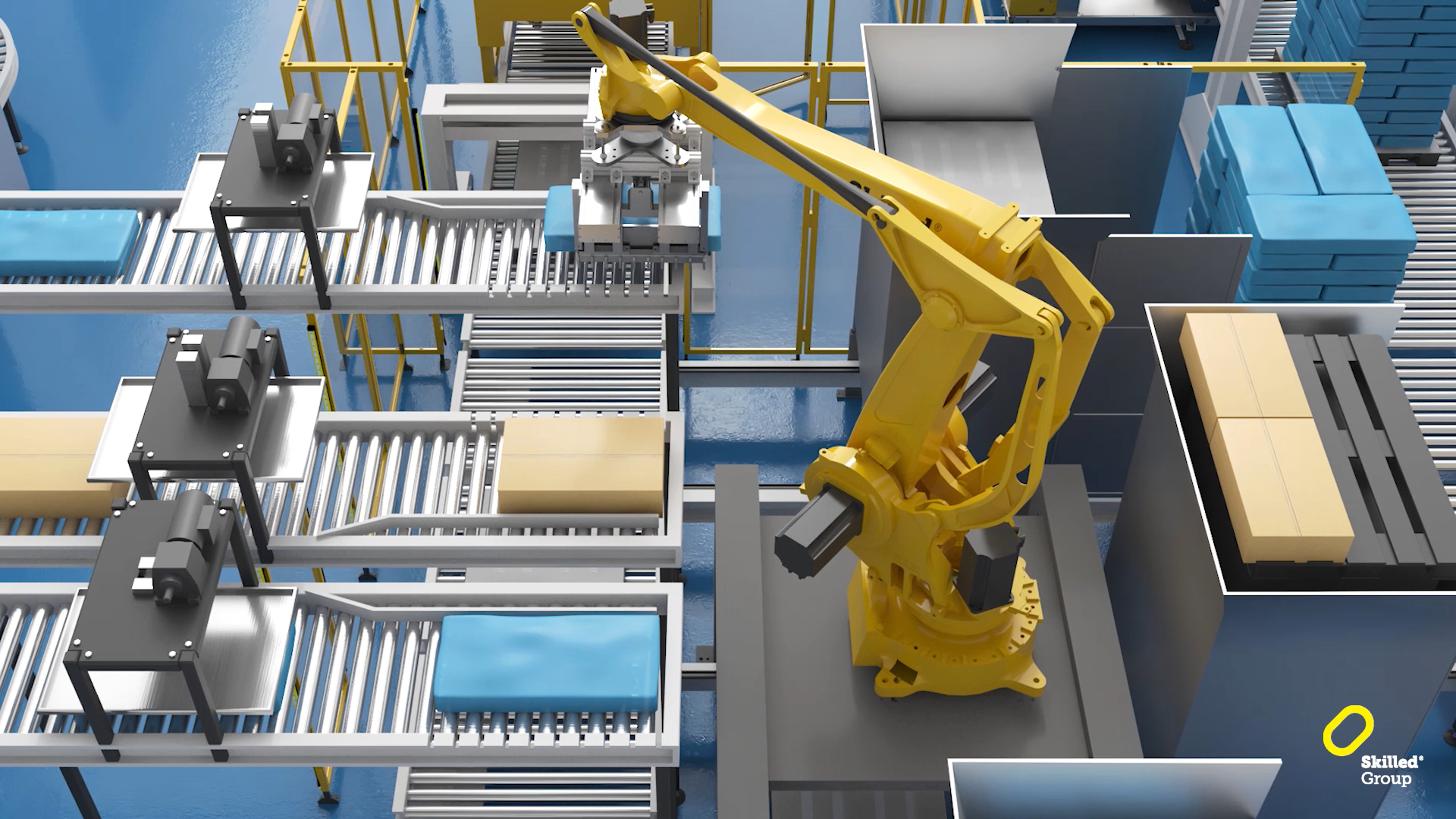
AGVs or AMRs: What's the Difference?
Automated Guided Vehicles and Autonomous Mobile Robots can both automate materials movement, but they are designed for different operational requirements.
AGVs typically follow predetermined routes or navigation infrastructure and are particularly well suited to consistent, repetitive transport tasks.
AMRs use more dynamic navigation technology, enabling them to respond to their surroundings and adjust their route as conditions change.
The most appropriate technology depends on factors including:
- Facility layout
- Type of load
- Required routes
- Frequency of movement
- Production environment
- Existing automation
- Future operational requirements
E&B can help assess the application and determine which approach is best suited to the operation.
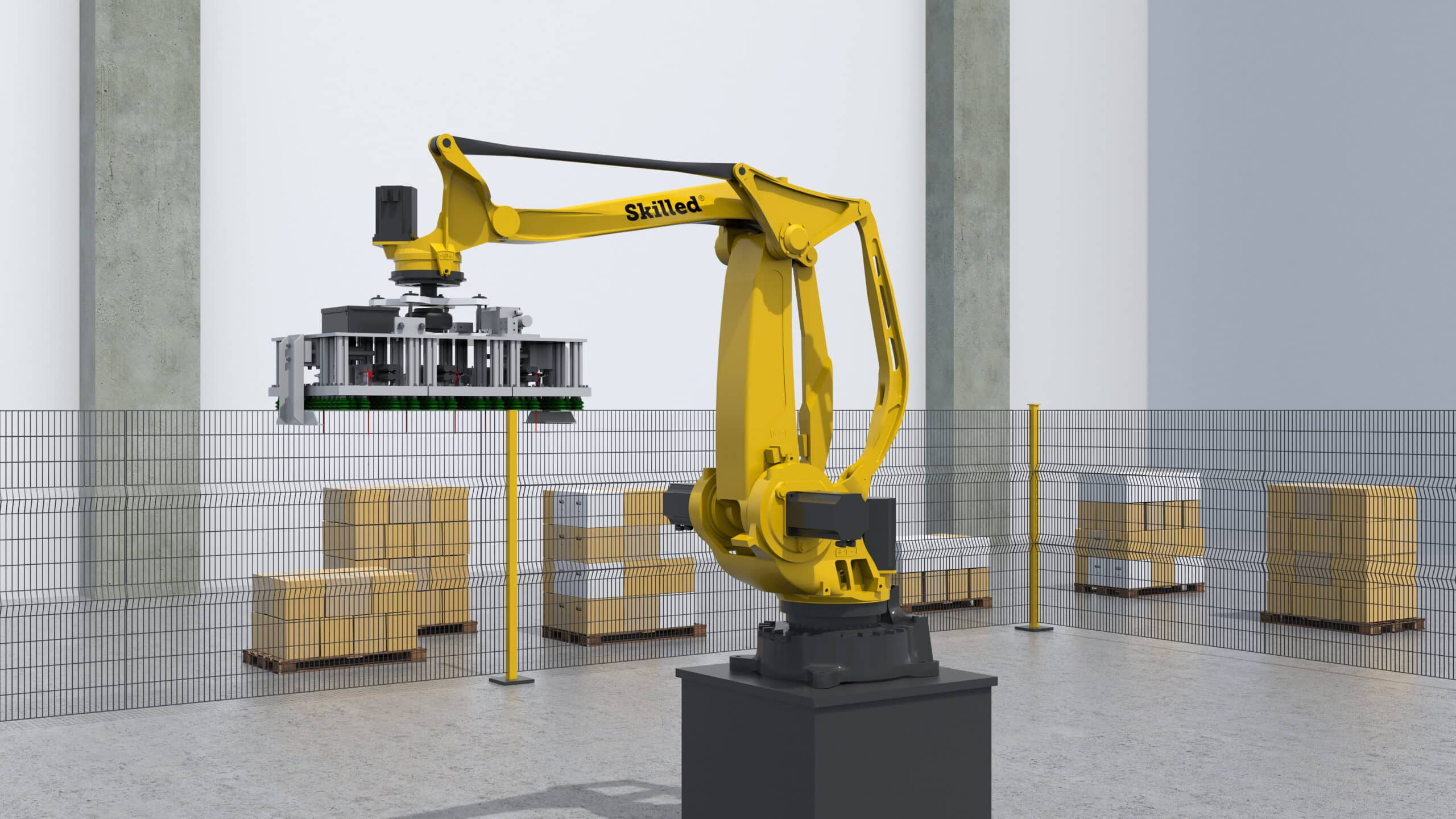
Choosing the Right Automated Guided Vehicle System
Every warehouse and manufacturing environment is different.
Selecting the right AGV solution requires an understanding of both the loads being transported and the wider operation.
Important considerations include:
- Load type and weight
- Pallet dimensions
- Required throughput
- Travel distances
- Collection and delivery points
- Warehouse layout
- Existing forklift traffic
- Production processes
- Warehouse management systems
- Operating hours
- Future expansion requirements
E&B works with customers to understand the complete materials handling process before recommending an automation solution.
Which Industries Use Automated Guided Vehicles?
AGVs can be used across many sectors where repetitive materials movement forms an important part of the operation.
Food & Beverage
Automate pallet and materials movements between production, storage and dispatch.
Manufacturing
Move components, raw materials and finished goods between manufacturing processes.
Warehousing & Distribution
Automate repetitive pallet movements across high-throughput storage and distribution environments.
Packaging
Move packaging materials, pallets and finished products between production and warehouse areas.
Logistics & Ecommerce
Support increasingly automated fulfilment and distribution operations where speed, accuracy and consistency are essential.
Supporting the Move Towards Warehouse Automation
For many businesses, warehouse automation does not mean replacing every process at once.
AGVs provide an opportunity to automate specific repetitive materials handling tasks as part of a wider, phased automation strategy.
By identifying movements that are predictable, repetitive and labour intensive, businesses can introduce automation where it provides the greatest operational benefit and expand the system as requirements develop.
Why Choose E&B?
Introducing AGVs requires more than simply selecting a vehicle.
The success of an automated materials handling system depends on understanding the complete operation, including products, pallet movements, warehouse layout, production processes and existing automation.
E&B works with specialist intralogistics manufacturers to develop solutions around each customer’s individual requirements.
From initial consultation and system specification through to installation, integration and ongoing support, our team can help you introduce warehouse automation that delivers reliable performance and long-term value.
Frequently asked questions
What does AGV stand for?
AGV stands for Automated Guided Vehicle. It describes a driverless materials handling vehicle used to automatically transport products and materials between predetermined locations.
What can an AGV transport?
AGVs can transport pallets, raw materials, components, finished products, packaging materials and other loads depending on the vehicle and application.
Can AGVs operate 24 hours a day?
Yes. AGV systems can support continuous 24/7 operations, making them suitable for warehouses and manufacturing facilities operating across multiple shifts.
Can AGVs integrate with a warehouse management system?
Yes. AGVs can receive orders from warehouse management systems and other software or hardware interfaces, enabling automated materials movements to form part of the wider warehouse operation.
What is the difference between an AGV and an AMR?
AGVs generally operate using predetermined routes or navigation infrastructure, while Autonomous Mobile Robots use more dynamic navigation to adapt their route to changing surroundings.
Can AGVs load trucks automatically?
Yes. Automatic Truck Loading systems can automate the movement of pallets from the warehouse or production environment into trucks and trailers.
How do I choose the right AGV system?
The right system depends on the loads being moved, required throughput, facility layout, operating environment, existing systems and future requirements. E&B can assess the application and recommend the most appropriate automation solution.
Speak to E&B About Automated Guided Vehicles
Whether you’re looking to automate repetitive forklift movements, improve warehouse efficiency or develop a wider intralogistics automation strategy, E&B can help.
Our experienced team can review your materials handling requirements and help identify the most appropriate AGV solution for your facility, both for your current operation and future growth.