
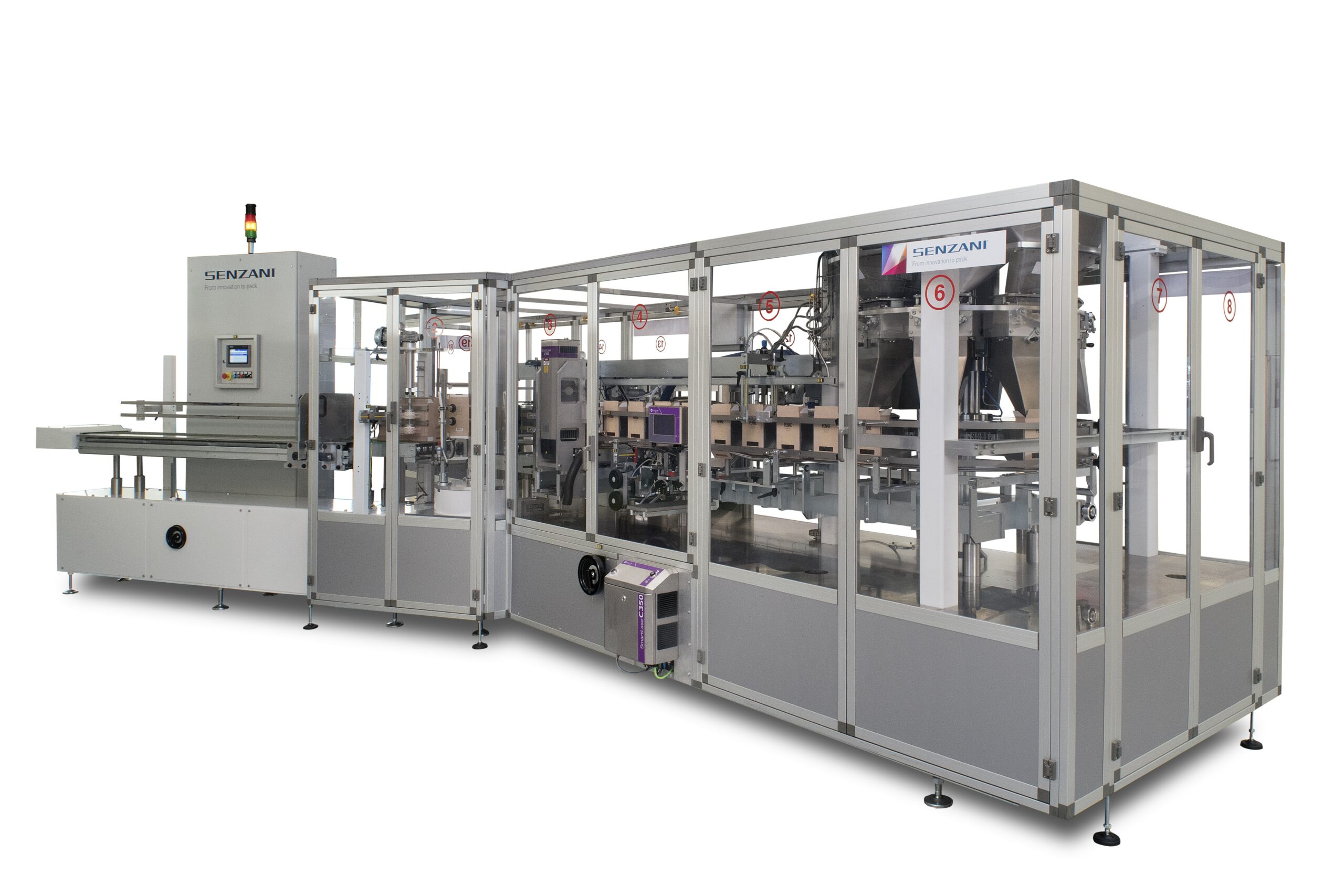
Automatic Cartoning Solutions for a Wide Range of Products
- Food and snacks
- Pharmaceutical products
- Nutraceuticals
- Cosmetics and personal care
- Household products
- Powders and granules
- Solid products
- Pouches and sachets
- Bag-in-box applications
- Flow-wrapped products
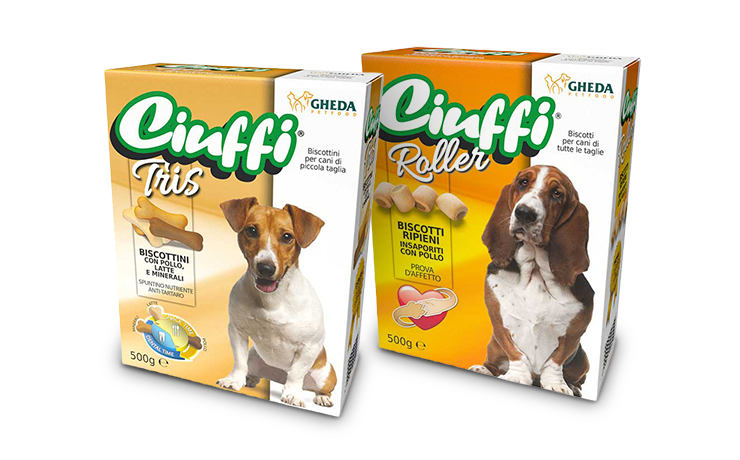
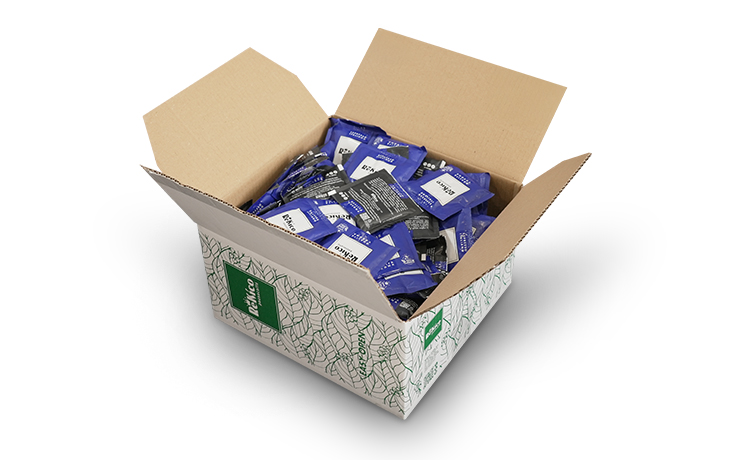
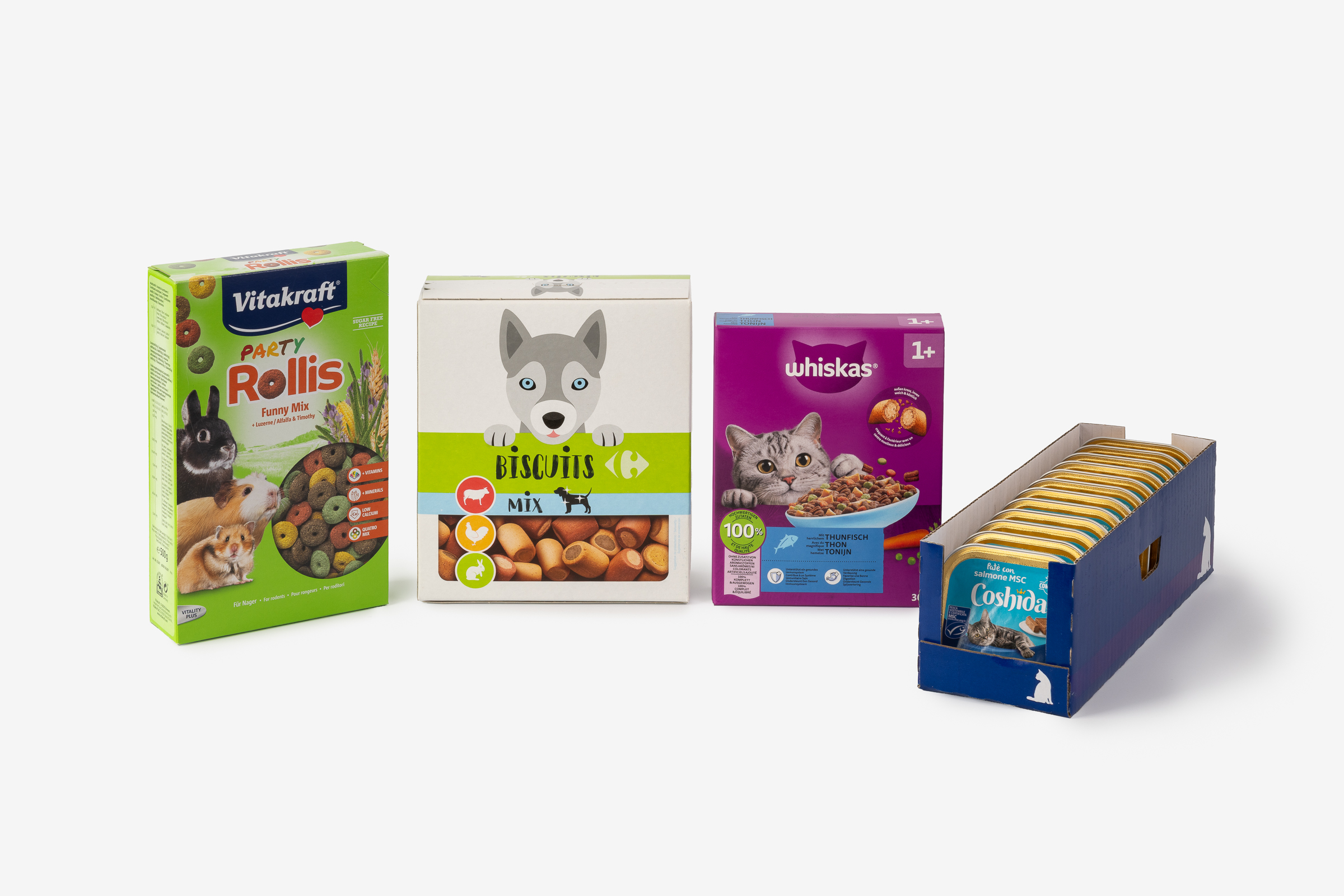
Horizontal or Vertical Cartoning – Which Do You Need?
One of the first decisions when selecting a cartoning machine is whether the product should be loaded horizontally or vertically. The answer largely depends on the product itself, how it needs to enter the carton and the wider packaging process.
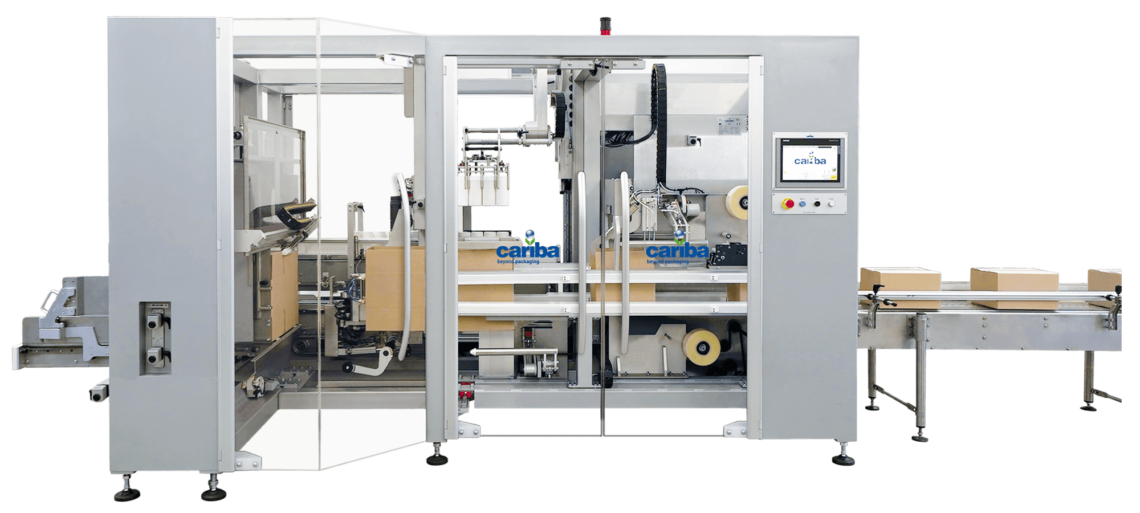
Horizontal Cartoning Machines
Vertical Cartoning Machines
How Does an Automatic Cartoning Machine Work?
Although individual systems vary according to the application, an automatic cartoning process will typically include several stages. A flat pre-glued carton is taken from the magazine and erected into shape. The product is then automatically fed, collated, inserted or dosed into the carton before the carton flaps are closed and sealed.
Carton Erection
Product Feeding
Insertion / Dosing
Carton Closing
Depending on the application, the system can also integrate with upstream and downstream equipment to create a more automated packaging line. This may include:
- Filling equipment
- Flow wrappers
- Pouch packaging machinery
- Product feeding systems
- Coding and marking
- Checkweighing and inspection
- Case packing
- Palletising
The result is a connected packaging process that can reduce manual intervention while improving consistency and production throughput.
Benefits of Automated Cartoning Machinery
Increase Production Efficiency
Reduce Manual Handling
Consistent Carton Quality
Flexible Packaging
Integrate with Existing Packaging Lines
Cartoning Machinery from Cariba and Senzani
Cartoning Machinery from Cariba
Vertical Cartoning Machinery from Senzani
Choosing the Right Cartoning Machine
The right cartoning system depends on much more than production speed. Important considerations include:
- Product type and dimensions
- Carton size and format
- Horizontal or vertical loading
- Product orientation
- Required throughput
- Intermittent or continuous motion
- Manual or automatic product feeding
- Changeover requirements
- Available production space
- Existing upstream and downstream machinery
- Future production requirements
Why Choose E&B?
Frequently Asked Questions
A cartoning machine automatically erects cartons and loads products into them before closing or sealing the carton. Depending on the application, products can be inserted horizontally through the side or vertically through the top.
Horizontal cartoners insert products through the side of the carton, while vertical cartoners load products through the open top. The correct approach depends largely on the type of product and how it needs to be handled.
Cartoners can handle a wide variety of products including food, pharmaceuticals, cosmetics, nutraceuticals, pouches, sachets, solid products, powders and granules.
Intermittent motion machinery pauses during certain stages of the cartoning cycle, while continuous motion systems keep products and cartons moving through the process. The appropriate technology depends on the product, required throughput and application.
Yes. Cartoners can be integrated with filling, flow wrapping, pouch packaging, coding, inspection, case packing and other packaging equipment.
Speak to E&B About Cartoning Machinery
Whether you’re introducing automated cartoning for the first time, replacing an existing machine or developing a fully integrated packaging line, E&B can help. Talk to our team about your products, carton formats and production requirements and we’ll help identify the most appropriate cartoning solution.