
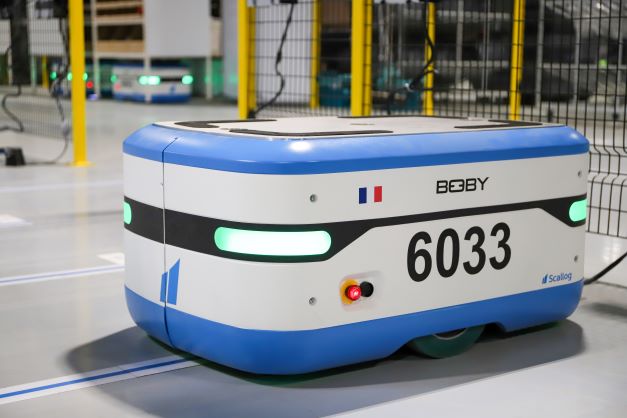
Autonomous Mobile Robots for Smarter Warehouse Automation
Autonomous Mobile Robots (AMRs) provide a flexible and scalable way to automate the movement of goods within warehouses, fulfilment centres and distribution environments.
Using intelligent navigation technology, AMRs can move independently around a facility, transporting goods and shelving to where they are needed without relying on fixed routes or extensive changes to existing warehouse infrastructure.
E&B supplies Autonomous Mobile Robot solutions from Scallog, including goods-to-person technology that brings products directly to warehouse operators. By reducing unnecessary walking and repetitive manual handling, AMRs can help businesses increase picking productivity, make better use of warehouse space and create a more efficient order fulfilment process.
What is an Autonomous Mobile Robot?
An Autonomous Mobile Robot, commonly known as an AMR, is an intelligent robotic system designed to navigate around a warehouse or industrial environment independently.
AMRs use sensors, onboard processing and navigation technology to understand their surroundings and make decisions about how to move safely and efficiently through the facility.
Unlike automation that relies on fixed routes, AMRs can respond dynamically to their environment, enabling them to work alongside people and other warehouse equipment.
Typical applications include:
Goods-to-person order picking
Shelf and rack transportation
Order fulfilment
Materials movement
Inventory handling
Ecommerce fulfilment
Warehouse replenishment
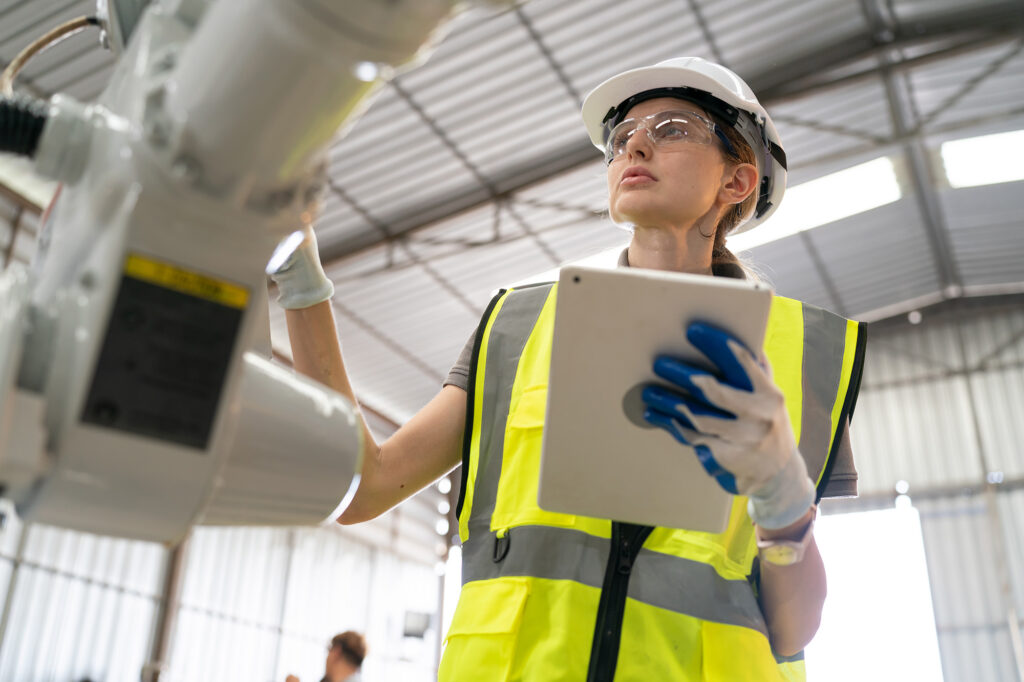
What is Goods-to-Person Automation?
Traditional warehouse picking often requires operators to spend a significant amount of their working day walking between storage locations to collect products.
Goods-to-person automation reverses this process.
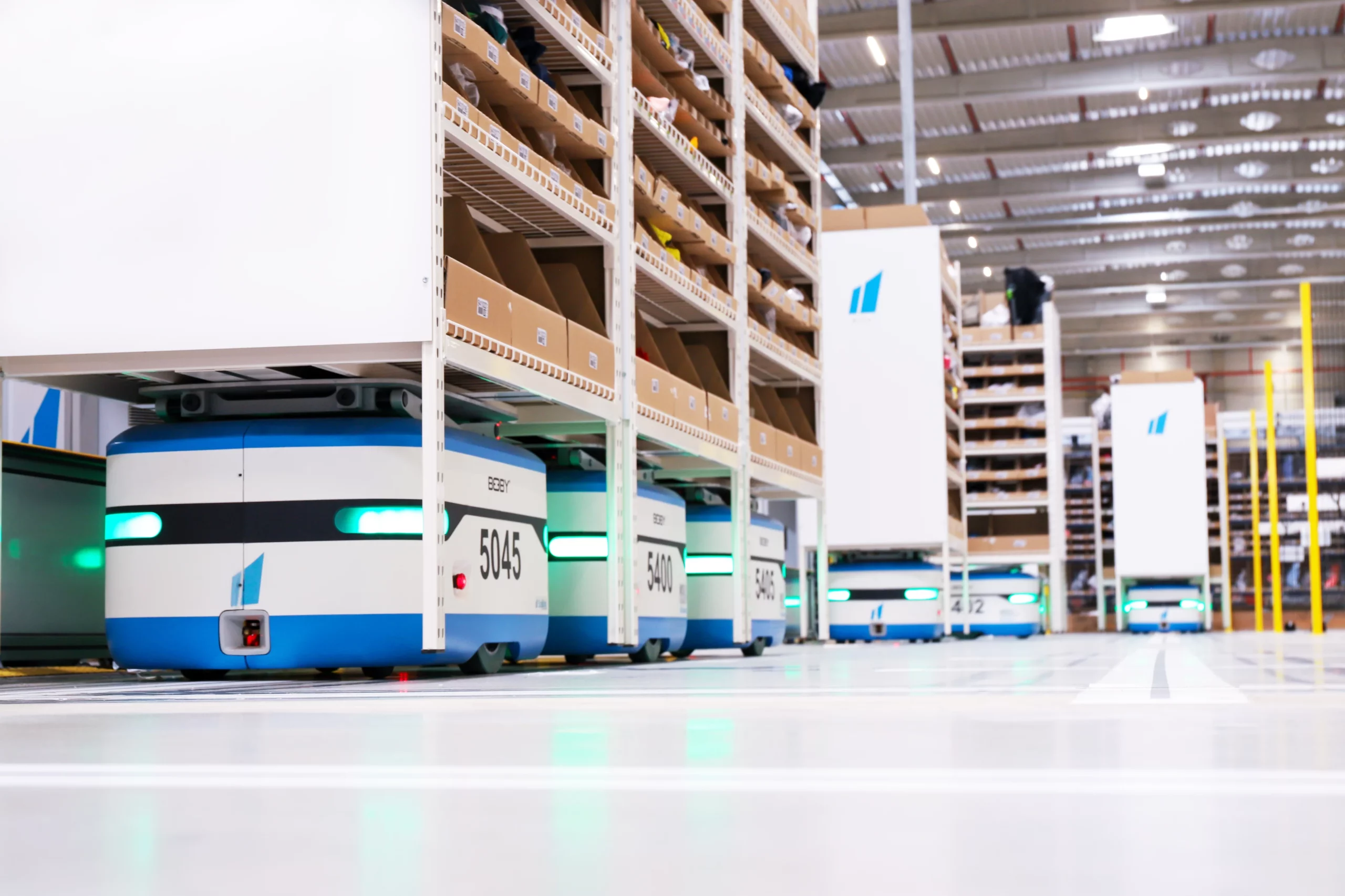
Rather than the picker travelling to the goods, autonomous robots transport the relevant shelving or storage units directly to the picking station.
The operator can then pick the required items before the AMR returns the shelving to the appropriate storage location.
This approach can help reduce unnecessary walking, improve picking productivity and allow available warehouse space to be used more effectively.
Our Products
Autonomous Mobile Robots (AMRs)
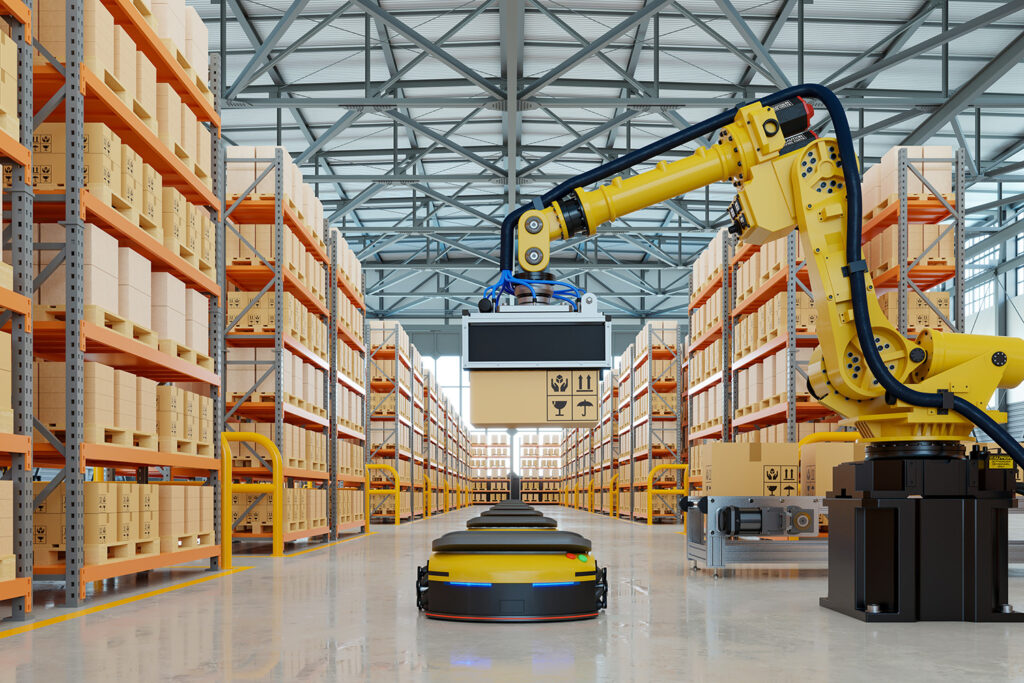
How Do Autonomous Mobile Robots Work?
AMRs combine sensors, software and intelligent navigation to move around warehouses without requiring continuous human control.
Within a goods-to-person system, robots receive instructions about which storage units are required for each order. The AMR travels to the relevant location, lifts the shelving unit and transports it directly to the picking station.
Once the required products have been picked, the robot returns the shelving to storage and moves on to its next task.
The result is a coordinated flow of goods between storage and picking areas, with the robots handling repetitive transport while warehouse operators concentrate on order preparation.
Why Invest in Autonomous Mobile Robots?
AMRs can provide a practical route into warehouse automation without requiring businesses to redesign their entire operation.
Increase Picking Productivity
Bringing products directly to the operator significantly reduces the amount of walking required during order picking.
This allows warehouse teams to spend more time picking and less time travelling between storage locations.
Make Better Use of Warehouse Space
Goods-to-person systems can support more efficient storage layouts because operators do not require the same level of direct access to every storage location.
This can help businesses make better use of existing warehouse capacity.
Flexible Warehouse Automation
AMRs do not depend on traditional fixed transport routes.
This provides greater flexibility when warehouse layouts, stock locations or operational requirements change.
Scale with Demand
One of the major advantages of AMR technology is scalability.
Additional robots can be introduced as order volumes increase, helping businesses expand automation in line with operational demand rather than committing to a completely fixed system from the outset.
Reduce Repetitive Manual Tasks
Robotising repetitive warehouse movements allows employees to concentrate on tasks where human input provides greater value.
It can also reduce the physical demands associated with repeatedly walking long distances around large warehouse environments.
Support 24/7 Operations
AMRs can support extended and multi-shift warehouse operations, providing consistent materials movement throughout periods of high demand.
Scallog Goods-to-Person AMR Solutions
E&B supplies autonomous mobile robot technology from Scallog, providing a scalable goods-to-person solution for warehouse and ecommerce applications.
Scallog’s system uses intelligent mobile robots to lift and transport shelving between storage locations and order picking stations.
The technology can be introduced into existing warehouse environments without requiring major infrastructure changes, providing businesses with a flexible route towards greater automation.
Boby – The Autonomous Mobile Robot
Scallog’s Boby AMR is designed to transport shelving safely and efficiently between storage and order picking locations.
Key capabilities include:
Maximum payload of 600 kg
Travel speed of up to 1.5 m/s when empty
Travel speed of up to 1.2 m/s when loaded
Throughput of up to 600 picks per hour per picker
Wi-Fi controlled operation
Goods-to-person order picking
Integration into existing warehouse environments
By bringing shelving directly to warehouse operators, Boby helps reduce unnecessary travel while supporting faster and more efficient order preparation.
Where Can Autonomous Mobile Robots Be Used?
AMRs are particularly well suited to warehouse environments where large numbers of individual products need to be stored, retrieved and picked efficiently.
Ecommerce Fulfilment
Support high-volume order picking where speed, accuracy and the ability to manage changing demand are essential.
Warehousing & Distribution
Automate the movement of shelving and goods between storage and order preparation areas.
Retail Distribution
Support warehouses managing large product ranges and high numbers of individual customer or store orders.
Spare Parts & Components
Improve the retrieval of individual components and parts from extensive warehouse inventories.
Peak & Seasonal Operations
Scalable automation provides businesses with greater flexibility when managing seasonal peaks and changes in order volume.
AMRs and Ecommerce Fulfilment
Ecommerce operations create particular challenges for warehouse teams.
Customers expect orders to be processed quickly and accurately, while order profiles can change significantly throughout the year.
AMRs can help create a more responsive fulfilment operation by bringing products directly to picking stations and reducing the amount of manual movement required within the warehouse.
When combined with automated packaging, sortation and warehouse management technology, goods-to-person AMRs can form part of a connected ecommerce fulfilment process from product storage through to dispatch.
AMRs as Part of an Automated Warehouse
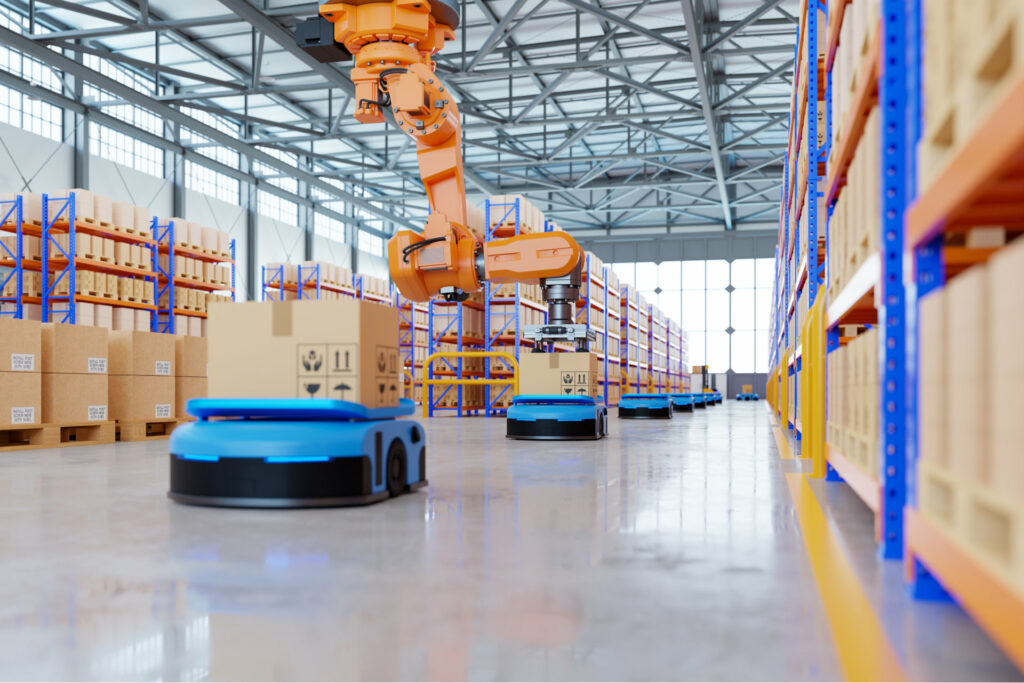
Autonomous Mobile Robots can operate independently, but their greatest value often comes when they form part of a wider warehouse automation strategy.
AMRs can complement technologies such as:
- Automated Storage and Retrieval Systems (ASRS)
- Automated Guided Vehicles (AGVs)
- Ecommerce automated packaging
- Sortation systems
- Conveyors
- Warehouse management systems
Connecting these technologies can create a more efficient flow of goods through storage, picking, packing and dispatch.
AMRs or AGVs: What's the Difference?
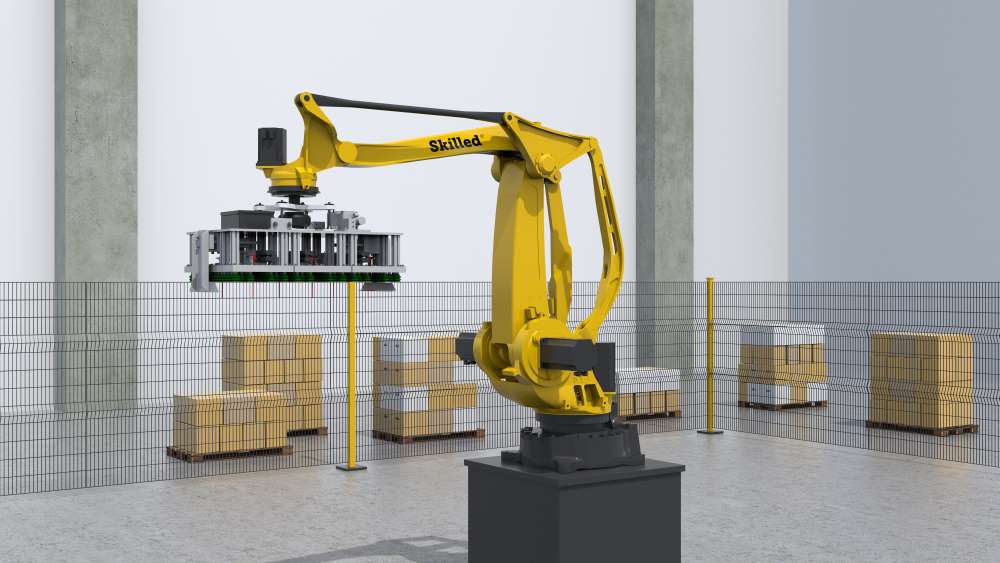
Both Autonomous Mobile Robots and Automated Guided Vehicles automate the movement of goods, but they approach the task differently.
AGVs typically operate along predetermined routes and are particularly well suited to repetitive movements of pallets and materials between defined locations.
AMRs use more dynamic navigation technology, allowing them to understand their surroundings and adapt their route as conditions within the warehouse change.
AMRs are particularly suited to flexible goods-to-person and order fulfilment applications, while AGVs are often used for structured pallet and materials handling.
The right approach depends on:
- Products being moved
- Warehouse layout
- Required throughput
- Type of picking operation
- Load size and weight
- Existing infrastructure
- Future growth requirements
E&B can help assess the operation and identify the most appropriate automation approach.
Choosing the Right Autonomous Mobile Robot System
Introducing AMRs successfully requires more than selecting a robot.
The wider warehouse operation needs to be considered to determine how automation can deliver the greatest benefit.
Important considerations include:
Product range
Order profile
Number of SKUs
Picking volumes
Peak demand
Storage requirements
Available warehouse space
Existing warehouse layout
Required throughput
Integration with existing systems
Future growth plans
E&B works with customers to understand the complete operation before recommending an AMR solution.
Supporting a Scalable Approach to Warehouse Automation
Warehouse automation does not necessarily require a complete redesign of an existing facility.
AMRs provide businesses with an opportunity to automate specific parts of the fulfilment process and expand the system as requirements develop.
For organisations experiencing growth in ecommerce orders, increasing labour requirements or pressure on existing warehouse capacity, this can provide a practical way to introduce automation while retaining operational flexibility.
Why Choose E&B?
Selecting warehouse automation technology requires an understanding of much more than the equipment itself.
The right solution needs to take account of products, order volumes, storage requirements, picking processes, warehouse layout and future growth.
E&B works with specialist intralogistics manufacturers including Scallog to develop automation solutions around each customer’s individual operation.
From initial consultation and system specification through to installation, integration and ongoing support, our team can help businesses introduce warehouse automation that delivers reliable performance and long-term value.
Frequently asked questions
What does AMR stand for?
AMR stands for Autonomous Mobile Robot. It is an intelligent robotic system capable of navigating around a warehouse or industrial environment independently.
What is goods-to-person automation?
Goods-to-person automation uses robotic systems to bring products or shelving directly to warehouse operators rather than requiring employees to walk through the warehouse to retrieve each item.
What are AMRs used for in warehouses?
AMRs can support goods-to-person picking, shelf transportation, order fulfilment, inventory movement, replenishment and other repetitive warehouse logistics tasks.
Can AMRs work in an existing warehouse?
Yes. AMR systems can often be integrated into existing warehouse environments without the extensive fixed infrastructure associated with some traditional automation technologies.
What is the difference between an AMR and an AGV?
AMRs use dynamic navigation to respond to their surroundings, while AGVs generally follow predetermined routes. This often makes AMRs particularly suitable for flexible order fulfilment and goods-to-person applications.
Can an AMR system be expanded?
Yes. Scalability is one of the main advantages of AMR technology. Additional robots can be introduced as warehouse requirements and order volumes increase.
How do I choose the right AGV system?
The right solution depends on your products, warehouse layout, order volumes, picking requirements, existing systems and future growth plans. E&B can assess your operation and recommend the most appropriate warehouse automation solution.
Speak to E&B About Autonomous Mobile Robots
Whether you’re looking to increase picking productivity, improve warehouse capacity or introduce goods-to-person automation, E&B can help.
Our experienced team can review your warehouse and fulfilment requirements and help identify the most appropriate Autonomous Mobile Robot solution for your operation.